BUYING GUIDES
Hardwood lumber grades for cutting boards: How to choose usable, defect-free stock
Choose hardwood lumber grades for cutting boards by clear yield, defects, moisture, and project dimensions.
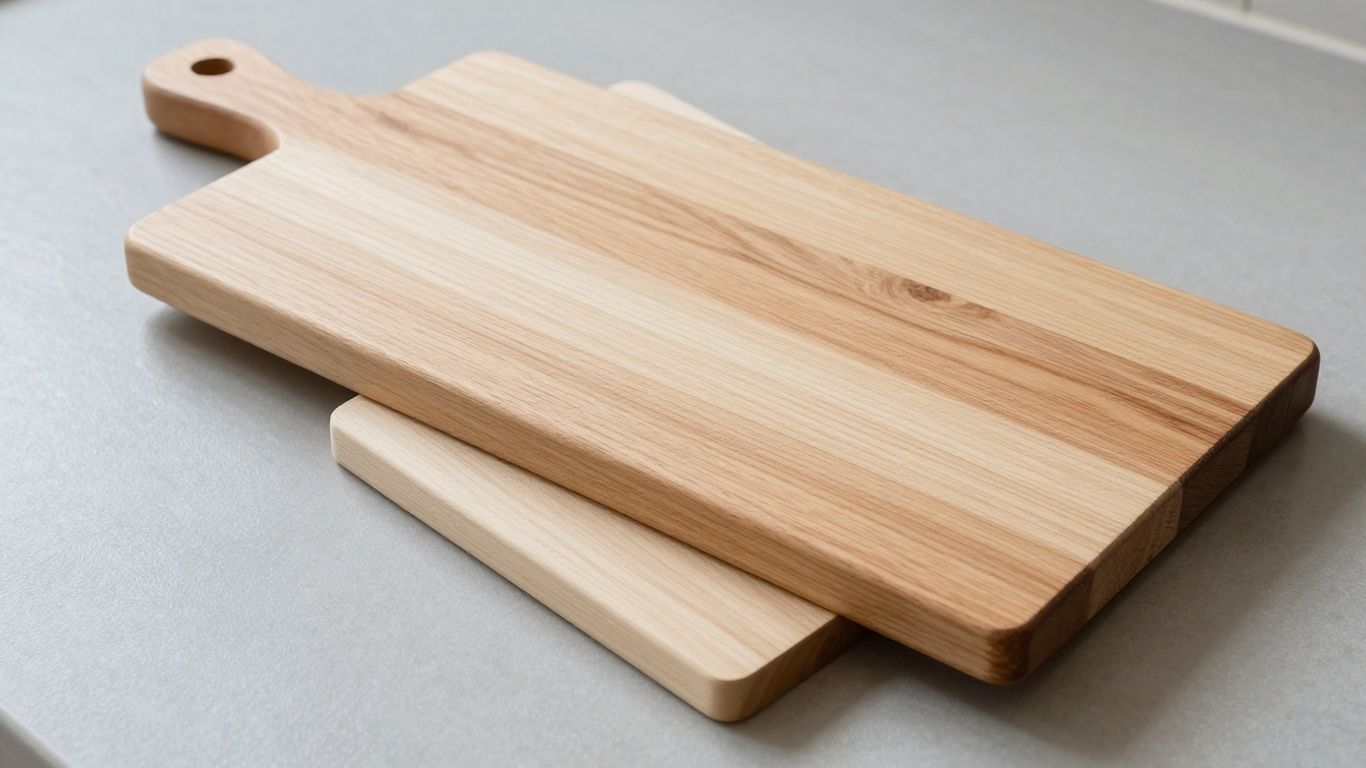
The short answer
For a cutting board, the useful question is how much sound, clear wood you can get from the stock, not whether the grade sounds impressive. Match the grade to your planned parts, then inspect the actual boards before you buy.
- Hardwood grades estimate clear-wood yield, not a flawless appearance or a finished board’s quality.
- FAS and Select generally offer more clear stock; No. 1 Common can work well for smaller parts.
- Defects matter most when they land inside a finished piece or weaken a glue-up.
- Moisture, milling allowance, grain direction, and board stability deserve their own checks.
- Compare the cost of usable material, including waste and labor, rather than price per board foot alone.
How does hardwood lumber grading work?
Hardwood lumber grades give you a standardized estimate of how much clear wood a board can yield. They help you compare rough stock, but they do not promise a defect-free board or tell you whether it suits your exact cutting-board layout. You still need to look at the lumber and plan where each piece will come from.
What lumber grades measure
In the common U.S. system, a grade reflects the amount of clear wood that can be cut from a board under the grading rules for its species and size. Graders consider usable clear cuttings rather than simply scoring every visible mark as a flaw. The clear-yield grading guide offers more background on how defects, board size, and usable sections affect the classification.
How clear-face yield affects a grade
The grade is generally determined from the poorer face of a board, so a handsome front does not tell the whole story. Clear-wood yield also depends on the size and number of cuttings the rules allow, not just a rough impression of how much of the board looks clean. That distinction matters when your parts need to be long or wide: several small clear areas may not replace one large clear panel.
Who sets common U.S. hardwood grades
The National Hardwood Lumber Association (NHLA) publishes widely used grading rules for U.S. hardwood lumber. Suppliers may also sort stock using their own descriptions or add a shop-specific selection to standard grades. Ask what a label means at that yard, especially if it uses terms such as “select” without explaining the grading basis.
Why a higher grade does not always mean better board stock
A higher grade usually means more clear yield under the applicable rules, but it does not guarantee the right species, moisture condition, grain orientation, or dimensions for your project. A lower-grade board can be excellent value if its defects fall outside the pieces you plan to cut. Your layout changes the value: the same board may be poor stock for a wide blank and perfectly sensible for narrow strips.
What do the common grades mean for cutting boards?
FAS, Select, No. 1 Common, and No. 2A Common describe different levels of expected clear yield, with details depending on the species and grading rules. For a cutting board, treat those names as a starting point rather than a verdict. A quick comparison can help you decide which pile to inspect first.
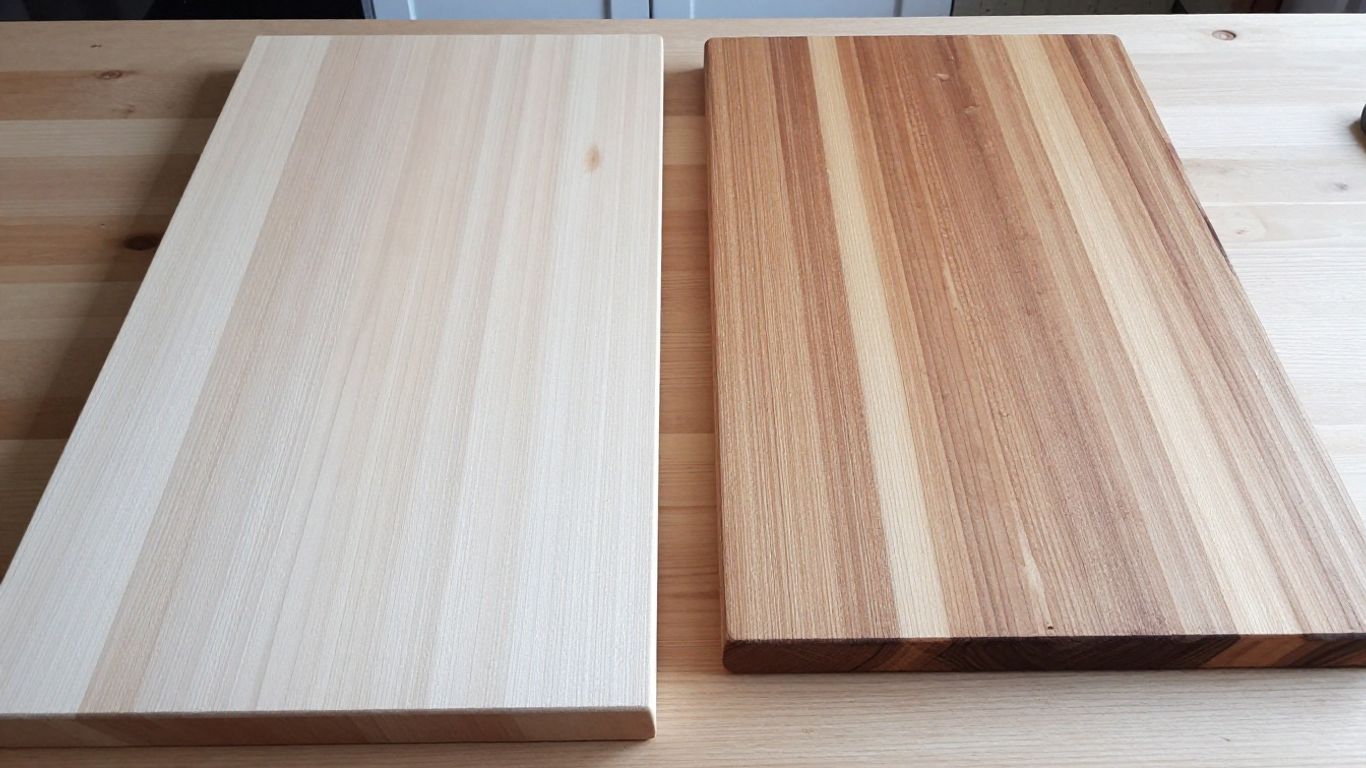
FAS lumber and its higher clear-wood yield
FAS is a high grade intended to provide a relatively large amount of clear wood, so it can suit projects that need longer or wider uninterrupted parts. That extra yield can save time when you are making larger components or want fewer visible interruptions. It is still worth checking both faces and edges; the label does not make every board pristine or evenly colored.
Select lumber and its practical middle ground
Select lumber can be a useful option when you want a clear face but do not need the same combination of board size and yield as FAS. In common usage, it offers a strong clear-wood opportunity, though the reverse face and dimensions may differ from what you expect from FAS. Confirm the supplier’s definition and judge the actual board against your cut list.
No. 1 Common lumber for smaller clear parts
No. 1 Common often makes sense when your design uses shorter or narrower pieces that can be cut around defects. You may be able to recover plenty of useful material for a segmented or striped layout, although sorting and cutting take more attention. This is where a careful plan can make a lower grade economical rather than merely cheap.
No. 2A Common lumber and its limits
No. 2A Common generally offers less clear yield and is more likely to require selective cutting. It can work for small parts if the stock is sound and the defects can be removed, but it is a risky choice when you need broad, uninterrupted blanks. Compare the likely usable area, not just the appealing price on the tag.
What makes a board usable for a cutting board?
A usable board begins with sound, appropriately dried hardwood, but grade is only one part of the decision. Your finished dimensions, grain, thickness, and milling plan determine whether the lumber is practical. Build those checks into your buying decision before you start calculating yield.
Clear wood in the pieces you plan to cut
Lay out the intended parts on the board, mentally or with a pencil mark the supplier permits, and see whether knots, checks, or other flaws land inside them. A grading allowance may count clear cuttings that are smaller than your planned blank, so grade alone cannot answer this question. If you are comparing construction styles, this edge-grain and end-grain guide for maple boards explains how strip orientation relates to the finished board.
Grain direction and growth-ring orientation
Look for grain that runs consistently through the pieces you intend to glue together. Grain direction affects both the appearance and how individual strips are arranged; growth rings also give you clues about the board’s orientation. A cutting board is made from multiple pieces, so choose stock that lets you create a deliberate layout rather than forcing awkward, mismatched parts.
Moisture content and drying quality
Ask whether the stock is kiln-dried and whether the supplier can tell you its moisture content. Drying reduces moisture gradually, but the label alone cannot promise that a board is free of checks or future movement. For more detail on drying and inspection, see this kiln-drying process guide; still, inspect the lumber in front of you.
Thickness, width, and milling allowance
Rough-sawn dimensions shrink during flattening, jointing, and planing, so a board that measures just enough now may finish undersized. Leave room for removing saw marks and flattening both faces, and remember that defects can reduce usable width as well. Measure the stock and your target parts before settling on a purchase quantity.
Which defects should you check before buying?
Inspect the wood itself rather than relying on the grade stamp. A defect only matters if it affects your cut pieces, but some flaws can make a planned part unusable or complicate a glue-up. Check both faces, the edges, and the board’s overall shape under decent light.
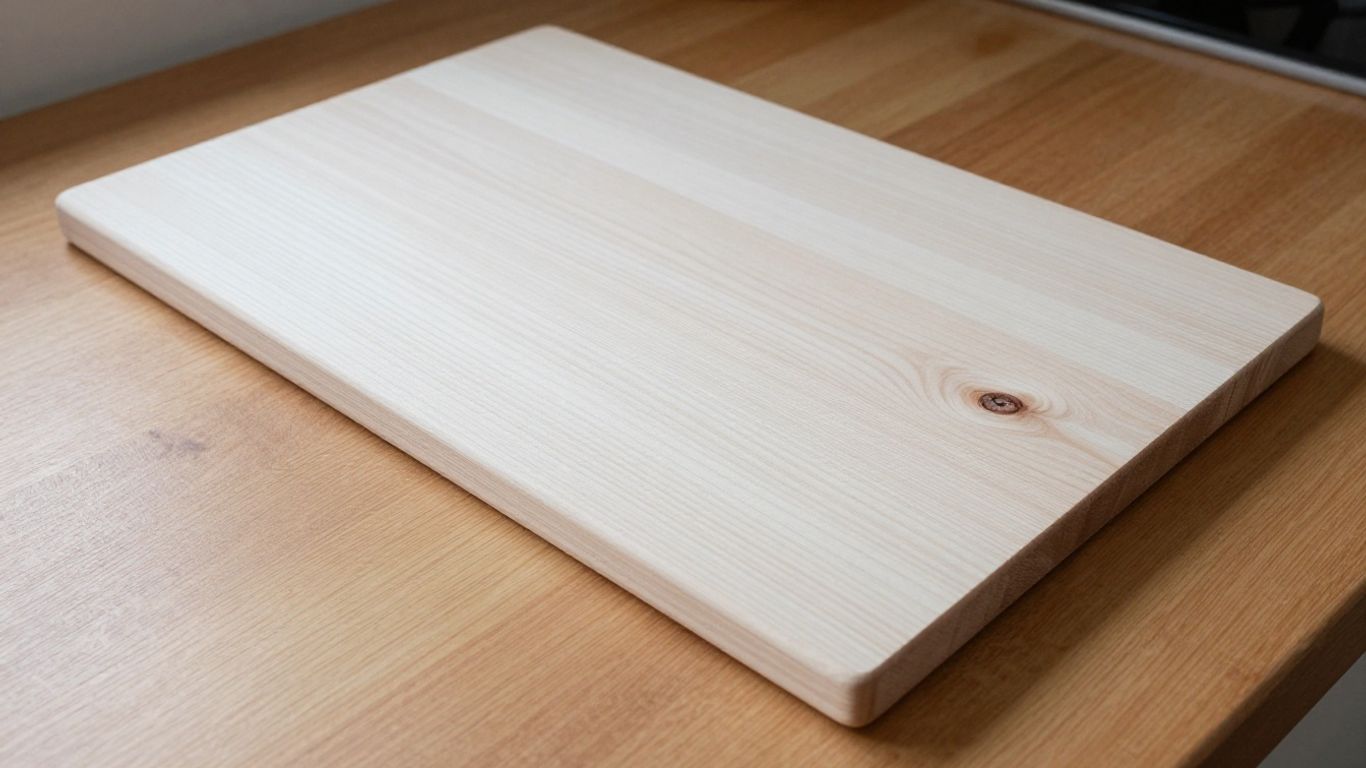
Knots, splits, checks, and wormholes
Knots interrupt the grain, while splits and checks can extend farther than they appear at first glance. Wormholes may be superficial or may signal a section you would rather remove. Mark where each flaw begins and ends, then decide whether your cut plan can leave enough sound material around it.
Wane, bark edges, and rough corners
Wane is missing wood along an edge, sometimes with bark still attached. It reduces the board’s usable width and can make a nominal dimension misleading if your parts need clean, square edges. Rough corners are less serious, but include them in your allowance for straightening and trimming.
Warp, cup, bow, and twist
Sight down the length and across the face to check for bow, cup, or twist. Some irregularity may mill out, but removing it costs thickness and can leave you with less usable material than expected. A board that is badly twisted can be a poor buy even if its grade and surface look attractive.
Stains and color variation that may remain after milling
Mineral streaks and other color differences may remain after surface milling; they are not necessarily structural defects. Decide whether a varied appearance suits your design, and check whether a stain reaches below the surface. If a uniform look matters, compare boards from the same stack rather than assuming one grade means one color.
How do you choose a grade for your project?
Choose the grade that provides enough clear material for your actual parts, then pay for additional yield only when it saves meaningful time or waste. The best choice may be a higher grade for a large, clear blank or a lower one for narrow pieces. There is no prize for buying more clear wood than your design can use.
Match the grade to your finished-piece dimensions
Start with the finished dimensions of each strip or blank, then account for kerf and milling loss. A grade that yields many small clear sections may not work for one long, wide piece. Conversely, a board with scattered defects can be useful if every planned part fits between them.
Use lower grades when defects can be cut out
Lower grades are worth considering when your parts are small enough to avoid knots, checks, or other flaws. Before buying, make a rough cutting map and estimate how many pieces you can recover. If the layout depends on optimistic guesses, the apparent savings can disappear in the shop.
Consider appearance and color matching
Grade describes clear yield, not a guarantee that boards will match in tone or grain. If the finished board will combine several strips, check the whole batch for color and grain differences. A little variation can look natural; a sharp mismatch may be distracting if you expected a uniform surface.
Compare usable yield, not just price per board foot
The board-foot price is only the start of the comparison. Estimate how much material you can actually use, and include the time spent sorting, cutting around defects, and flattening warped stock. The table below is a practical starting point, not a substitute for inspecting the boards and confirming the supplier’s grading terms.
| Grade | General clear-yield expectation | Possible fit | Main trade-off |
|---|---|---|---|
| FAS | Highest among these common choices | Larger or longer clear parts | Higher cost; still inspect the board |
| Select | High, with supplier and rule details to confirm | Clear-face parts with flexible dimensions | Reverse face or size may differ |
| No. 1 Common | Moderate | Smaller parts and planned cut-arounds | More sorting and layout work |
| No. 2A Common | Lower | Small parts when defects can be avoided | Less predictable usable yield |
Use the table to narrow your options, then compare actual boards against the cut list. If two boards cost different amounts, the one with more recoverable material may be the better buy even when its sticker price is higher.
How should you inspect and buy lumber?
Ask a few specific questions, then inspect the stock yourself. A grade tells you something useful about potential clear yield, but the supplier’s measuring method and the board’s condition matter too. Bring your project dimensions so you can make decisions at the rack instead of trying to remember them later.
Ask how the supplier grades and measures the stock
Ask whether the grade follows NHLA rules or a house standard, how the lumber is measured, and whether the price is based on rough or surfaced dimensions. If you hear a custom grade name, ask what it means for both faces and minimum board sizes. Clear answers make it easier to compare boards fairly.
Inspect both faces and the edges
Turn each board over and check its edges rather than judging only the face that was easiest to see in the stack. Look for hidden checks, knots, wane, insect holes, and changes in color or grain. A quick, repeatable inspection helps you compare candidates without turning every purchase into a forensic investigation.
Confirm the wood is kiln-dried and suitable for indoor use
Ask whether the lumber is kiln-dried, and ask for a moisture reading if one is available. Also confirm the species by name; “hardwood” alone tells you little about the wood’s suitability or appearance. If the supplier cannot answer, treat the missing information as a reason to be more cautious, not as a harmless detail.
Plan for milling loss before calculating your needs
Rough stock needs trimming and surfacing, and any defect you remove reduces the final yield. Before buying, list the parts you need and allow extra material for flattening, straightening, and saw kerfs. For a first project, buying a little extra from the same batch can also help if a cut goes wrong.
Which lumber grade should you look for?
For hardwood lumber grades for cutting boards, use the grade to estimate clear yield, then let your dimensions and an in-person inspection decide whether a board is usable. FAS and Select can save time on larger clear parts, while No. 1 Common or No. 2A Common may be sensible for smaller pieces you can cut around defects. A good buy is the stock that leaves enough sound, properly dried material for your design after milling.
Best for
- FAS: larger or longer clear parts, if you accept a higher cost.
- Select: clear-face parts with flexible dimensions; confirm the reverse face and sizes with the supplier.
- No. 1 Common: smaller parts and planned cut-arounds, if you can do more sorting and layout.
- No. 2A Common: small parts when you can avoid the defects and accept a less predictable yield.
Frequently Asked Questions
Which hardwood grade is best for a cutting board?
There is no single best grade for every design. FAS or Select may suit larger clear parts, while No. 1 Common can work for smaller pieces if the defects fall outside your cut plan.
Is FAS lumber free of defects?
No. FAS indicates a higher clear-wood yield under the grading rules, not a completely flawless board. Inspect both faces and edges before buying.
Can No. 1 Common lumber be used for a cutting board?
Yes, if you can cut sound parts around defects and the stock is suitable in species, moisture, and dimensions. It may require more planning and sorting than higher grades.
What does clear-face yield mean?
It refers to the amount of clear wood that can be recovered in qualifying cuttings under the grading rules. The size and arrangement of those cuttings matter as well as their total area.
Should I buy kiln-dried lumber for a cutting board?
Kiln-dried stock is a practical choice for an indoor project, but drying does not guarantee a board has no defects or movement. Ask about moisture content and inspect the lumber before you commit.
How much extra lumber should I buy?
The amount depends on board size, defects, milling condition, and your cut layout. Allow for trimming, surfacing, saw kerfs, and the possibility that a flaw makes part of a board unusable.
Does a higher grade guarantee a better finished cutting board?
No. Grade estimates clear yield in rough lumber; it does not determine the finished board’s construction, stability, or appearance. Sound stock, suitable drying, careful layout, and accurate milling also matter.
What should you do next?
- List the parts you need and their finished dimensions, with a milling allowance.
- Use the grade to estimate clear yield, then match FAS, Select, or a Common grade to those parts.
- Inspect each board in person for defects, moisture, and grain direction.
- Compare the cost of usable material, including waste and labor, not just the price per board foot.
- Learn how American hardwood is kiln-dried for cutting boards and how long an end-grain board takes to make.