BUYING GUIDES
Thanksgiving Prep Checklist: Tools and Timeline
A practical thanksgiving prep timeline for planning, shopping, staging tools, cooking, and storing leftovers.
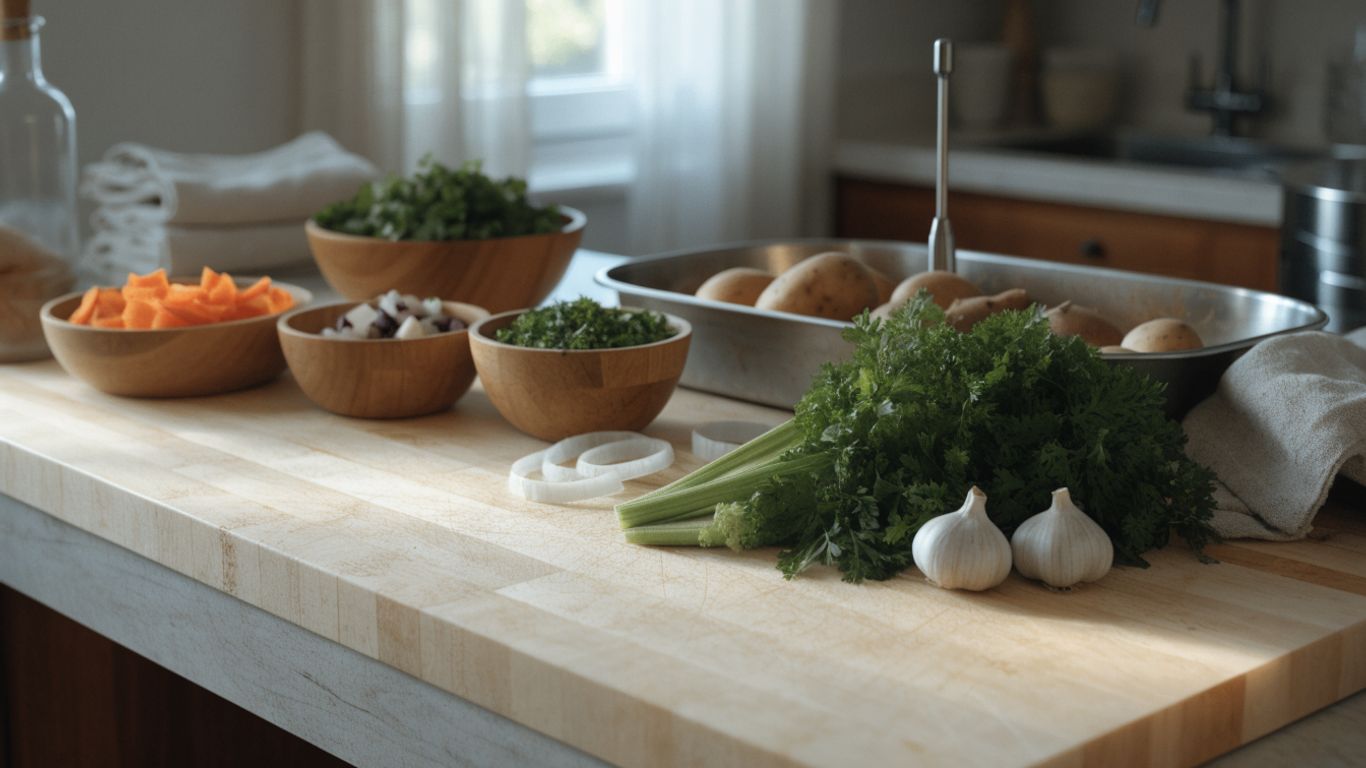
Plan the menu and work backward from serving time
A smooth Thanksgiving starts with a menu and a serving time you can actually work toward. This thanksgiving prep guide is for home cooks who want fewer last-minute surprises, whether you’re hosting six people or a full table. Write down the dishes, then plan backward from when you want to eat.
Confirm guest count, dietary needs, and dishes
Get a firm headcount and ask about allergies, dietary needs, and foods guests are bringing. Make one menu that includes appetizers, drinks, the main dish, sides, and dessert; it’s easier to spot duplicated dishes or missing items when everything is in one place. Decide which dishes are essential and where a simple alternative will do.
Set a realistic serving time and cooking schedule
Choose the meal time first, then work backward through prep, cooking, resting, and serving. A short schedule helps reveal when the oven or stovetop will be busiest, and gives you room to adjust before the holiday. Use a table like this to assign a target time to each task, then adapt it to your recipes and turkey size.
| Task | Plan for | Why it matters |
|---|---|---|
| Set the table | The day before | Clears a job from the busy morning |
| Prep cold dishes | The day before | Leaves counter space for cooking |
| Roast the turkey | Based on its weight and recipe | Sets the timing for the rest of the meal |
| Rest and carve the turkey | Before serving | Makes room to finish hot sides |
Treat these as planning prompts, not fixed cooking times. Build in a little breathing room so one late dish doesn’t hold up everything else.
Check oven, stovetop, refrigerator, and counter space
Think through where each dish will be cooked, cooled, and served. Measure the roasting pan against the oven and check whether refrigerator shelves can hold a thawing turkey and make-ahead dishes without crowding. If a recipe depends on a particular pan or burner, note that now rather than discovering the conflict on Thanksgiving morning.
Gather tools that keep prep moving
You don’t need a specialty gadget for every dish, but the right basics prevent avoidable delays. Gather the tools you’ll use, check that they’re clean and in working order, and make sure there’s a place to set hot pans safely. A practical kitchen starter kit can be a useful reference if you’re filling gaps in your everyday tools.
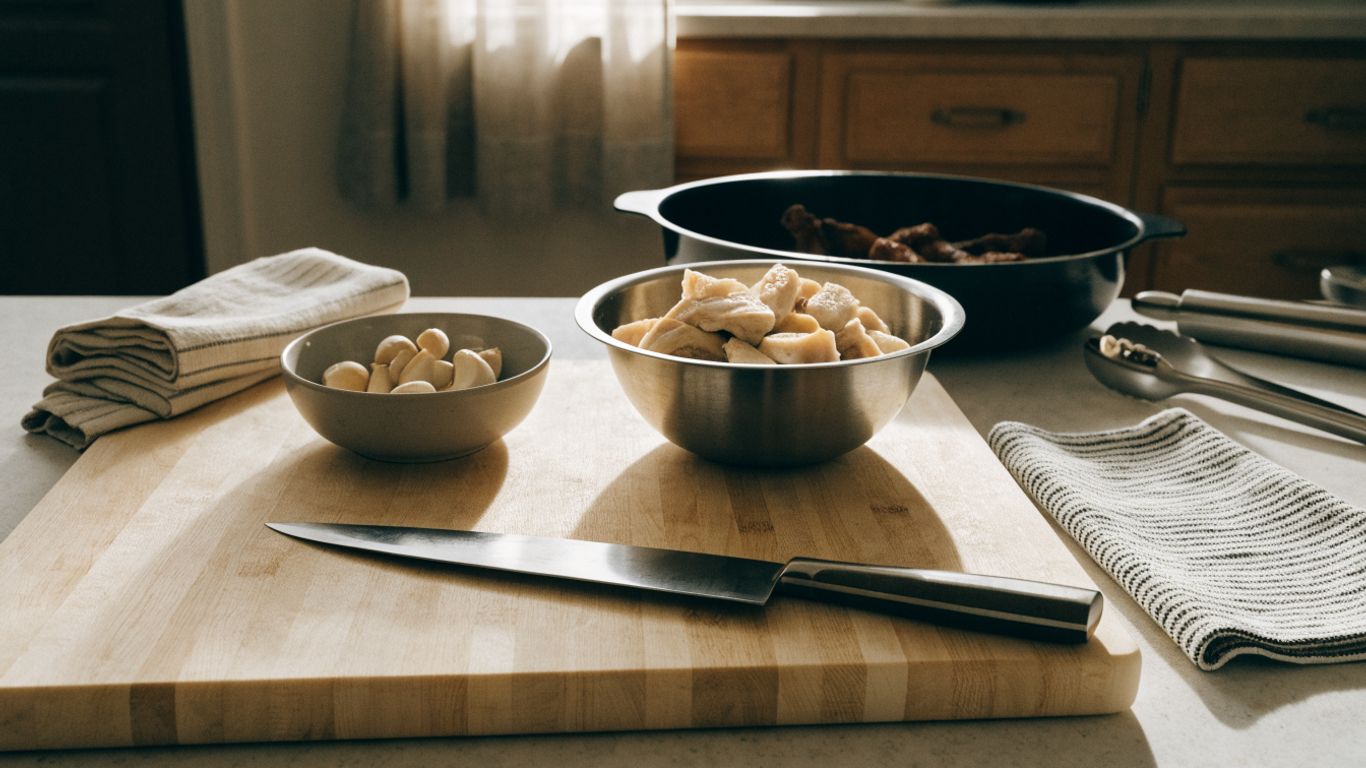
Use a reliable thermometer and roasting setup
A food thermometer helps you check doneness rather than relying on appearance alone. Set out the roasting pan, rack if your recipe calls for one, oven mitts, and a stable place to set the hot pan. Check the thermometer’s instructions and follow current food-safety guidance for the turkey and other dishes.
Set up cutting boards, sharp knives, and prep bowls
Set out a stable cutting surface, a sharp knife, and several bowls so chopped ingredients don’t pile up on the counter. Keep raw turkey and ready-to-eat ingredients separate, and wash hands and tools between tasks. A Bevel & Bond end-grain maple cutting board is made in Oregon, USA, from US-grown hard maple; if you’re considering one for your kitchen, its listed price is $139.99.
For a contained prep station, group the pieces you’ll use by task rather than scattering them around the kitchen:
- A board and knife for produce
- A separate area and tools for raw poultry
- Prep bowls for measured or chopped ingredients
- A tray or plate for items ready to move to the stove
Keeping raw poultry apart from ready-to-eat food makes the workflow easier to manage. Bevel & Bond lists free US shipping, a five-year warranty, and 30-day returns for its board; confirm the current terms before ordering.
Check serving dishes, foil, storage containers, and kitchen basics
Pull out the platter, bowls, serving spoons, foil, and containers you expect to use, then match them to the menu. Write the dish name on a removable note beside each serving piece so you don’t have to search for the gravy boat while the turkey rests. A Bevel & Bond board is also listed with a gift box, a detail that may be useful if you’re buying a kitchen gift rather than replacing a tool for the holiday.
One to two weeks before: finalize plans and stock up
Use the early window to settle recipes, check pantry supplies, and arrange the turkey thawing plan. Shopping for shelf-stable goods now spreads the work out and makes it easier to notice missing ingredients. Avoid buying perishables too early unless your storage plan and recipe allow it.
Choose recipes and mark what can be made ahead
Choose recipes you know how to prepare, or read through unfamiliar ones before committing. Mark each dish as make-ahead, day-before, or Thanksgiving-day, and note whether it needs oven, stovetop, or refrigerator space. Keep the menu manageable; one fewer side can be a better trade than juggling too many dishes at once.
Buy shelf-stable ingredients and check pantry staples
Check your recipes against what’s already in the pantry, then make a short list for shelf-stable items such as flour, broth, canned goods, spices, and baking supplies. Verify quantities and dates, especially for ingredients that appear in more than one dish. Group the items by recipe or meal task so they’re easy to find later.
Arrange turkey thawing time based on its size
Check the turkey’s weight and follow the package or food-safety guidance for thawing it safely in the refrigerator. Put it on a tray or in a pan to contain drips, and leave enough room around it for cold air to circulate. If the turkey is frozen, don’t wait until the day before to estimate how long thawing will take.
Three to five days before: shop and prep components
This is the time to bring in fresh groceries and prepare components that can wait safely in the refrigerator. Check the turkey’s progress, clear space for the remaining ingredients, and keep raw poultry contained. A little labeling now makes the final stretch easier to read at a glance.
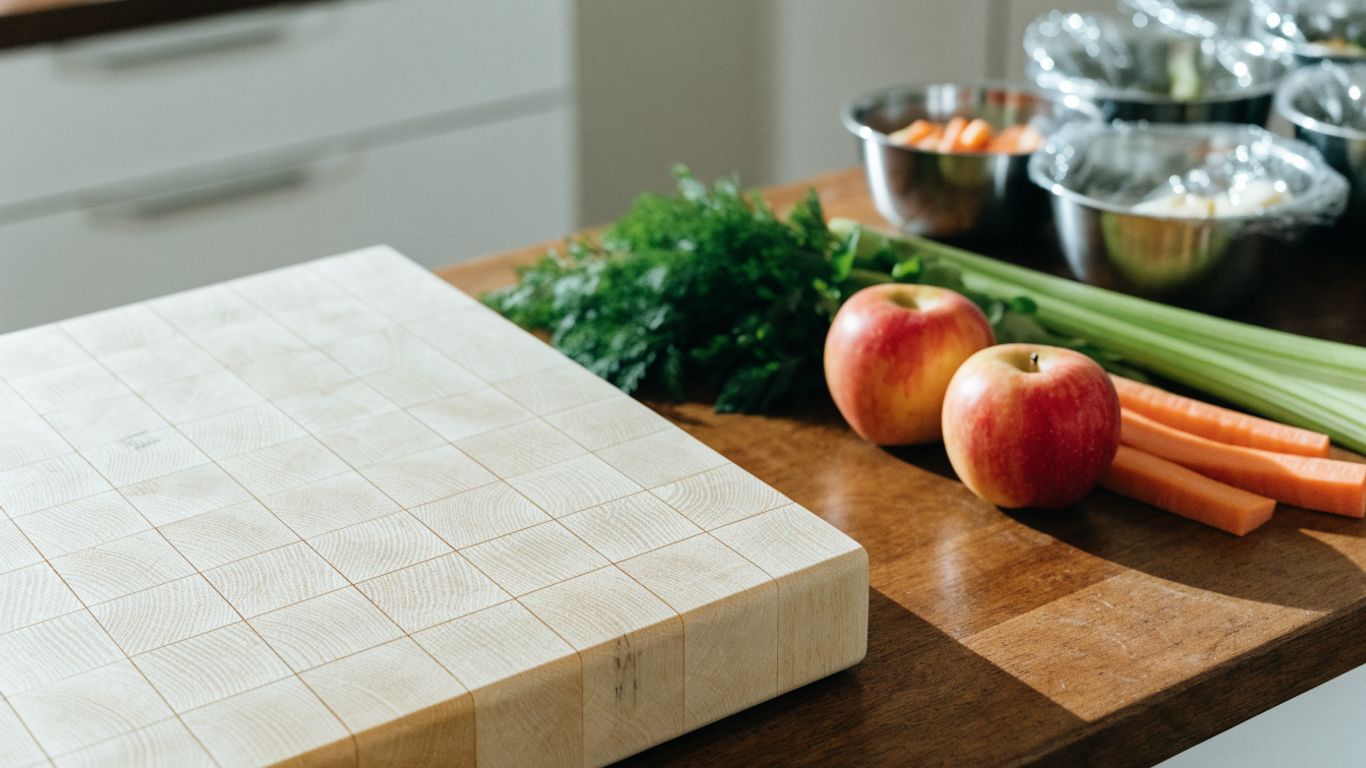
Buy fresh groceries and confirm the turkey is thawing safely
Shop for produce, dairy, herbs, and other fresh ingredients according to your recipes and storage needs. Confirm that the turkey is thawing in the refrigerator and remains contained on its tray or pan. If it is still firm or partly frozen, check reliable food-safety guidance rather than improvising a quick thaw.
Wash produce and prepare ingredients that hold well
Wash and dry produce that can be stored without wilting, and measure dry ingredients if doing so will save time later. Keep prepared ingredients covered and refrigerated as appropriate; some cut produce is better left whole until closer to cooking. Label containers with the ingredient and intended dish so they don’t become a guessing game.
Make sauces, stocks, or other components that can be refrigerated
Prepare sauces, stocks, and other components ahead only when the recipe and safe storage instructions allow it. Cool and refrigerate them promptly in suitable containers, leaving room to reheat or finish them on the day. The goal is to move a few manageable tasks off the busiest day, not to crowd the refrigerator with every dish at once.
The day before: finish make-ahead dishes and stage the kitchen
The day before Thanksgiving is for finishing work that stores well and setting up the room you’ll cook in. Keep the menu and schedule visible, and avoid adding new dishes that create extra steps. A quiet ten-minute reset can save repeated searching tomorrow.
Prepare casseroles, desserts, and cold dishes
Make casseroles, desserts, and cold dishes according to their recipes, noting which need baking or finishing on Thanksgiving. Cover and label each item with its name and any final step, then refrigerate it promptly when required. Leave enough refrigerator space for the turkey and items that must stay cold.
Set the table and label serving dishes with their planned use
Set out plates, flatware, glasses, napkins, and serving dishes if you have space. Place a removable label on each serving dish with the food it will hold, and keep the corresponding serving utensil nearby. That small bit of staging prevents a last-minute search when several dishes are ready together.
Organize ingredients, tools, and refrigerator space
Group ingredients by recipe and put the day’s tools where you can reach them. Check that there’s a clear path from refrigerator to counter to oven, and move nonessential items out of the work area. Keep the schedule somewhere visible, with a pen handy for changes.
Thanksgiving day: cook, serve, and manage leftovers
On Thanksgiving, follow the schedule but stay flexible when cooking takes longer than expected. Use a thermometer and the recipe’s guidance to check doneness, and make sure the turkey gets its planned resting time before carving. If you need a refresher, this step-by-step turkey carving guide covers resting the bird and serving it neatly.
Follow the cooking schedule and check food temperatures
Start with the tasks that have the longest cook or rest time, then check each dish against its recipe as you go. Use a food thermometer where appropriate and follow current food-safety recommendations rather than guessing from color or time alone. Adjust the schedule as needed, keeping hot food hot and cold food properly chilled.
Coordinate oven space and finish sides while the turkey rests
Once the turkey comes out, use its resting window to finish sides that need the oven or stovetop. Keep a note of which dish is using each appliance, and move finished food to its labeled serving dish when it’s ready. Carve on a stable surface, keeping the serving area clear and the knife work deliberate.
Store leftovers promptly and clean tools safely
Pack leftovers into suitable containers and refrigerate them promptly, following current food-safety guidance for storage and reheating. Separate any remaining raw ingredients from cooked food, and wash used utensils and prep surfaces before putting them away. A simple cleanup now leaves the kitchen ready for tomorrow’s meal, not another round of sorting.
Frequently Asked Questions
When should I start planning Thanksgiving dinner?
Start one to two weeks ahead by choosing recipes, checking pantry supplies, and arranging the turkey thawing plan. The earlier you identify oven and refrigerator constraints, the easier they are to solve.
How far ahead can I prepare Thanksgiving dishes?
It depends on the recipe and its storage instructions. Mark dishes by when they can be made, then refrigerate or freeze components only as directed by reliable food-safety guidance.
How do I plan oven time for several dishes?
Write down each dish’s temperature, cooking time, and whether it can be reheated or finished while the turkey rests. Check that the roasting pan fits and leave some flexibility for timing changes.
What tools should I set out before cooking?
Gather a thermometer, roasting pan, oven mitts, knives, cutting surfaces, prep bowls, serving utensils, foil, and food-storage containers. Add tools required by your specific recipes.
How can I keep raw turkey separate from other food?
Keep raw poultry contained and away from ready-to-eat ingredients, and use separate prep areas or tools. Wash hands and clean tools and surfaces between tasks.
Should I thaw a turkey on the counter?
No. Follow package directions and reliable food-safety guidance; refrigerator thawing is a planned process that requires time and space. Keep the bird contained so drips don’t reach other food.
When should I put Thanksgiving leftovers away?
Store leftovers promptly in suitable containers and follow current food-safety guidance for refrigeration and reheating. Don’t leave cleanup until after the kitchen has become crowded again.
How this guide was put together
The American Made Cutting Boards team writes and fact-checks every guide on American Made Cutting Boards. Comparisons are based on maker specifications, published standards and food-safety guidance from sources such as the USDA, and each guide is reviewed and updated when specs or prices change. More about us.