BUYING GUIDES
Lodge Cast Iron Review: What You Get for the Price
Lodge cast iron review: what it offers, how it cooks, where it falls short, and how to choose a practical piece.
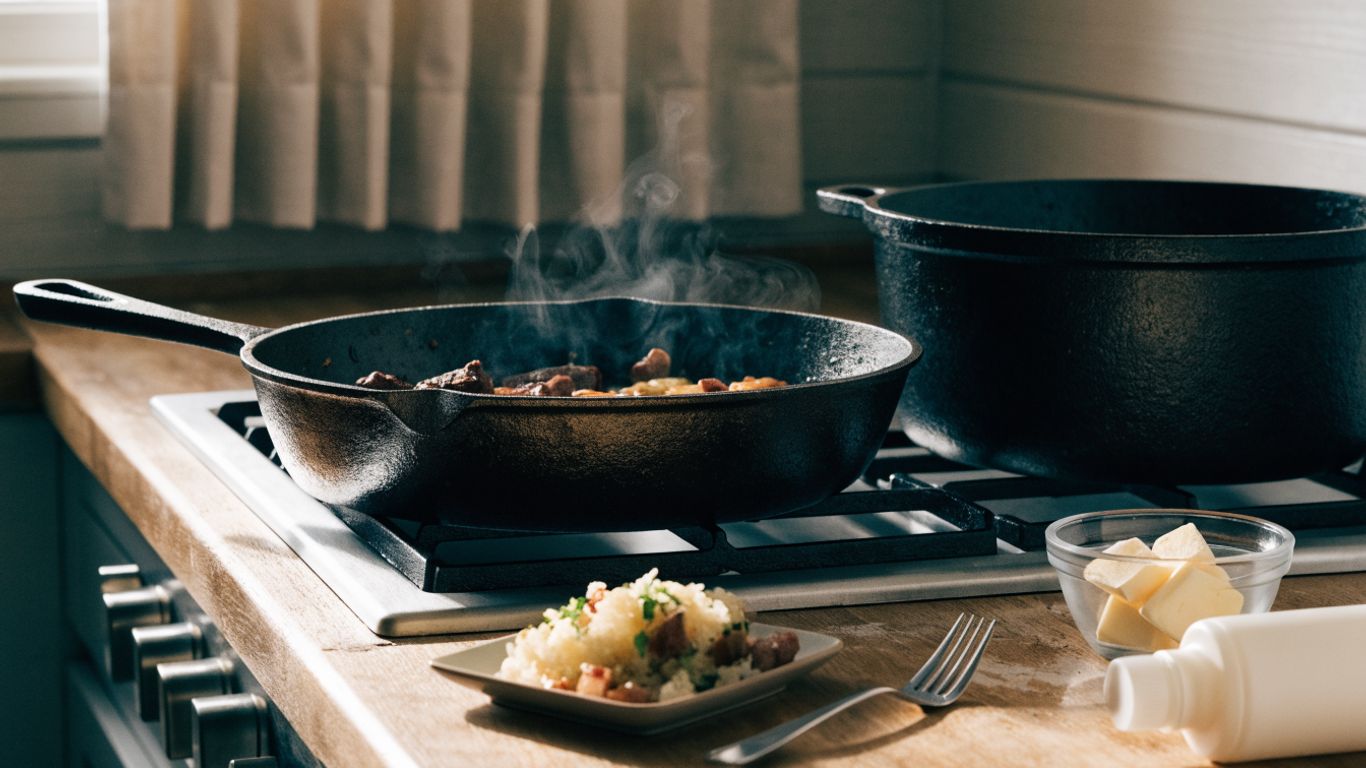
What Lodge cast iron cookware offers
Lodge cast iron is a practical choice if you want a heavy, versatile pan without paying for a specialty finish. Its familiar appeal is straightforward: cast iron can move from stovetop to oven, and a skillet can handle a range of everyday meals. The right piece depends less on owning a full set than on matching pan size and shape to how you cook.
The core skillet sizes and shapes
Skillets are the natural starting point: the sides contain food, while the broad cooking surface works for searing, frying, and one-pan meals. Smaller pans suit modest portions and tighter burners; larger pans give you more room but need more storage and strength to lift when full.
Here’s a general way to think about common skillet sizes. Usable space and weight vary by design, and the dimensions stamped on a pan do not necessarily describe its flat cooking surface.
| Nominal skillet size | Useful for | Before you choose |
|---|---|---|
| 8-inch | A small meal or a few eggs | Limited room for larger portions |
| 10-inch | Everyday cooking for one or two | Check that it fits your burner comfortably |
| 12-inch | Larger meals and cooking more than one portion | Takes more space and is heavier to lift |
| 15-inch | A broad batch or cooking for a group | Needs a suitably large burner and storage space |
Use these as starting points, not exact serving promises: the burner, food, and pan shape all change how much room you have. This cast iron skillet size comparison goes further into cooking surface, portions, burner fit, weight, and storage.
Dutch ovens, griddles, and other pieces
A skillet is not the only cast-iron shape worth considering. Dutch ovens have deeper sides and a lid for covered cooking, while griddles provide a broad, relatively shallow surface for foods that benefit from room to spread out.
Those shapes solve different problems, so it is easy to buy more cookware than you will use. Start with the dishes you make most often, then add a specialized piece only when your current pan’s size or shape gets in the way.
Preseasoning and what it means in practice
A preseasoned pan has a layer of cooking oil baked onto the iron before it reaches your kitchen. A Lodge 12-inch skillet listing describes the pan as preseasoned, but that does not mean every new cast-iron pan will behave like a slick nonstick surface straight from the box.
Treat the first few cooks as part of settling in: use enough cooking fat, preheat gradually, and clean and dry the pan after use. Preseasoned is a starting point, not a promise that food can never stick or that the surface needs no upkeep.
Made-in-the-USA basics and product-line differences
The company is an American cookware maker, but manufacturing details can differ by product and product line. If US origin is a deciding factor, check the listing for the specific item rather than assuming every piece has the same manufacturing details.
The same care applies when comparing bare cast iron with enameled cookware or other finishes. Confirm the material and care directions for the exact pan you are considering; similar shapes can call for different handling.
How Lodge performs in everyday cooking
A cast-iron skillet is at its best when you give it time to warm and choose foods that suit its broad, steady heat. A Lodge skillet is listed as preseasoned, but cooking results still depend on the pan’s temperature, the amount of fat, and how crowded the surface is. You will get more predictable results by adjusting your routine than by expecting the pan to behave like a lightweight nonstick one.
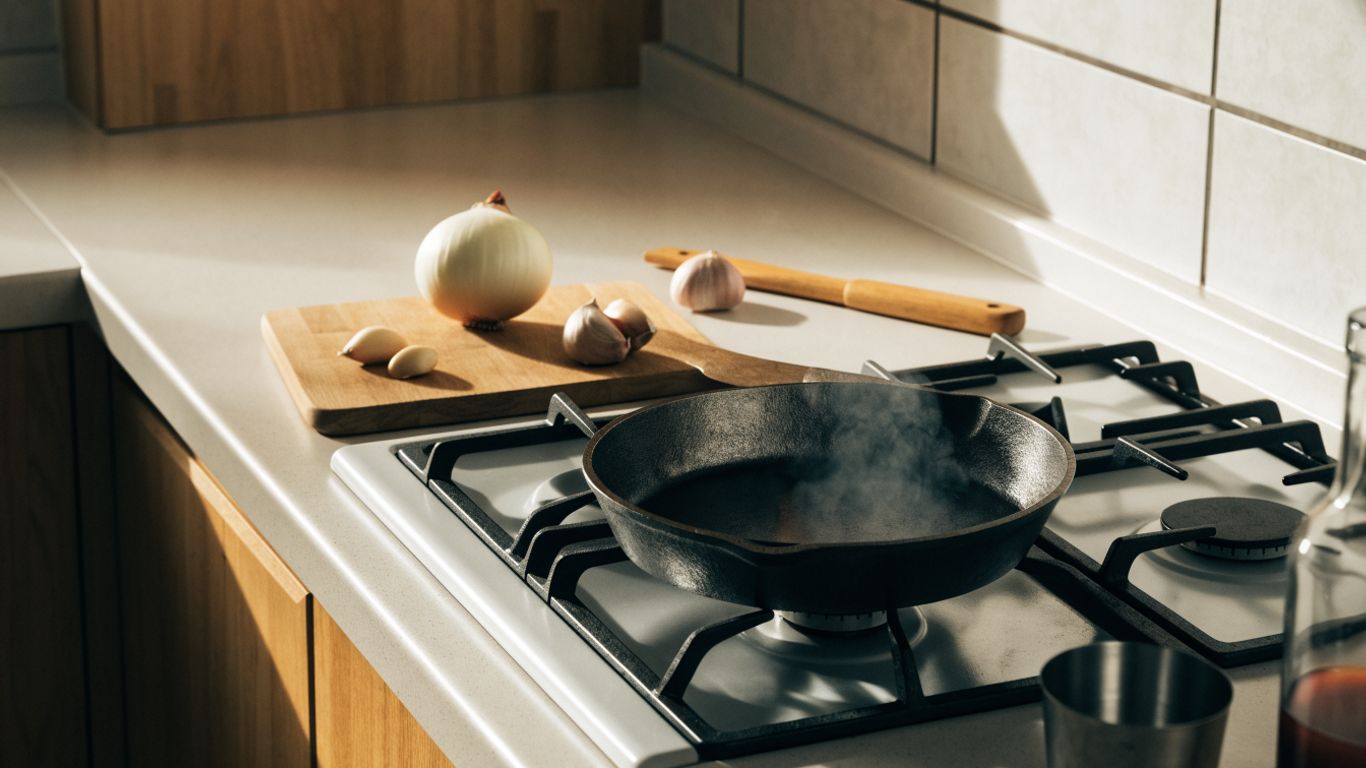
Searing, frying, and browning
Cast iron’s mass helps it hold heat as food goes into the pan, which can be useful for browning meat or frying foods. For a better sear, let the pan warm gradually, dry the food’s surface, and avoid filling the cooking area so tightly that the food steams.
A heavy pan is not automatically a hotter pan. Give it time to preheat, and use a moderate setting at first; turning the burner to high immediately can make the surface hotter than you intended.
Heat retention and temperature control
Once warm, cast iron tends to retain heat, so it can stay hot between batches. That is helpful when you want steady frying, but it also means the pan may respond more slowly when you turn the burner down.
This is a different rhythm from a thin pan: plan ahead, make small heat adjustments, and allow time for the pan to cool if it has overshot. The benefit is steadiness; the trade-off is less immediate control.
Cooking eggs and other foods that tend to stick
Eggs, delicate fish, and other foods that cling easily can be frustrating in a new or poorly heated pan. Use a well-maintained seasoning layer, preheat gently, and add an appropriate amount of fat before the food goes in.
If eggs are a daily priority, do not assume cast iron will offer effortless release from the first cook. A little patience and practice can help, but the pan still asks for more attention to heat and surface condition than a coated nonstick pan.
Moving a heavy pan from stovetop to oven
Cast iron’s oven compatibility makes stovetop-to-oven cooking useful for dishes that need a browned start and a longer finish. Before you move a hot pan, check the manufacturer’s directions for the particular piece and make sure the handle and any lid are suitable for the oven temperature you plan to use.
The handle heats along with the pan, so keep a dry mitt or thick potholder ready before cooking. A pan that is manageable when empty can feel much heavier once it holds hot food.
Build quality and design details
Cast iron is built around thick, solid metal rather than a light, quickly responsive body. That construction can suit cooks who value heat retention and a pan that feels substantial, but it also affects handling, storage, and how quickly the pan responds to changes in heat. Look at the whole design, not just the material name.
Thick iron and sturdy construction
A cast-iron pan has a solid feel and can serve for years with suitable care. Its heft is part of the design, not a sign that it will be effortless to move or quick to heat.
Inspect the cooking surface and rim before buying, especially in person. Small cosmetic variations may not affect cooking, but a pan should sit securely and have no obvious damage that concerns you.
Handle shape, helper handles, and pouring lips
The long handle gives you leverage for lifting and maneuvering, while a shorter helper handle can make a large pan easier to carry with two hands. Pouring lips can help direct drippings or sauces, though they do not make a heavy pan easy to pour one-handed.
Consider your own grip and kitchen layout. If you regularly transfer a full pan, a second handhold and a clear landing space matter more than a decorative detail.
Surface texture and how it changes with use
Cast-iron surfaces can feel more textured than some carefully polished premium pans. With cooking and routine seasoning, the surface may become easier to work with, but it does not turn into a guaranteed nonstick coating.
A little sticking is not necessarily a defect. It can reflect the food, heat, amount of fat, or the condition of the seasoning, so adjust those variables before deciding the pan is unsuitable.
Weight and storage considerations
Weight is one of the clearest compromises. A large skillet can be awkward to lift, wash, or move when hot, and a deep cabinet shelf can make a heavy pan less convenient to retrieve.
Before buying, think through where the pan will live and how you will handle it. If you cook in a compact space, the cast iron skillet size tool can help you compare household needs, typical weight ranges, and practical pan sizes.
Care, seasoning, and long-term use
Cast iron care is manageable, but it is not entirely hands-off. The basics are to clean away food, dry the pan thoroughly, and keep the seasoning layer in reasonable shape. Most trouble starts when a pan is left wet, stored with food residue, or heated much more aggressively than the meal requires.
Cleaning a Lodge pan after cooking
Clean the pan after it has cooled enough to handle safely. Use hot water and a brush or scraper to remove food; for stubborn residue, soak briefly or loosen it with water on the stove rather than leaving the pan submerged for a long time.
Dry it thoroughly as soon as you finish cleaning. If you want a fuller routine for washing, drying, oiling, and fixing common seasoning issues, see this guide to seasoning and maintaining cast iron.
Maintaining the seasoning layer
Seasoning is a thin layer of oil baked onto the iron, not a thick coating to build up in one go. After cleaning and drying, a very light film of cooking oil can help protect the surface; too much oil can leave a sticky finish.
The useful routine is simple enough to repeat without ceremony. A few steady habits do more than occasional heavy applications, and the pan’s appearance may vary as it gets used.
What to do about rust or stuck-on food
If you spot rust, remove it rather than sealing it beneath more oil. Scrub the affected area, dry the pan completely, and restore the seasoning as needed; follow care instructions that match the pan and the extent of the rust.
For stuck-on food, loosen residue with warm water and a scraper or brush, then dry the pan. Avoid treating a difficult cleanup as a reason to leave it soaking overnight, which can encourage rust.
How regular use affects performance
Regular cooking and sensible care help you learn how quickly the pan heats on your stove and how much fat particular foods need. Performance can feel more consistent as you develop that familiarity, although no seasoning layer removes the need to pay attention to temperature.
A few practical habits help keep the routine easy:
- Preheat gradually instead of rushing to high heat.
- Use enough oil or cooking fat for the food.
- Clean off residue and dry the pan after cooking.
- Store it somewhere dry and easy to reach.
These small steps make cast iron easier to live with and reduce the common causes of sticky surfaces and rust. They also help you decide whether the care is a reasonable trade for the pan’s heat retention and versatility.
Where the low price comes with trade-offs
A lower-cost cast-iron pan can be a sensible way to try the material, but the price is not the only factor in daily use. Surface finish, weight, heat response, and the amount of care you are willing to do all matter. Before you buy, consider how you cook and whether the pan’s compromises fit your kitchen.
Rougher surfaces than some premium pans
Some budget cast-iron pans have a more noticeable surface texture than higher-priced, smoother options. That texture may be less appealing if you expect a polished feel, though a rougher surface does not by itself mean the pan cannot cook well.
If a smooth finish matters to you, compare the actual cooking surface rather than choosing by price or appearance alone. Either way, eggs and other delicate foods still benefit from appropriate heat and fat.
Hot handles and the need for protection
The handle can become hot during stovetop cooking, and the pan remains hot after it leaves the burner. A dry mitt or potholder should be close at hand before you start, not across the kitchen when you need it.
This is a safety habit, not a special cast-iron trick. Tell anyone sharing the kitchen that the handle is hot, especially when the pan has been moved to a different spot.
Slower heating and uneven results on small burners
A thick pan takes time to heat through. If the burner is much smaller than the cooking surface, the center may heat faster than the outer area, so gradual preheating and occasional repositioning can help.
Small burners and oversized pans are an awkward pairing. Check the burner size against the pan’s base and cooking surface; a larger skillet is not automatically more useful if your stove cannot heat it evenly.
Quality checks to make when buying
A quick inspection can help you avoid choosing a pan that does not suit your setup. Look for damage, check that it sits flat, and confirm that the size, handles, and care instructions match how you plan to cook.
Use a short checklist before purchase:
- Compare the pan’s base with your burner.
- Consider its full weight, not just its empty size.
- Check the finish and rim for damage or rough defects.
- Read care and manufacturing details for the exact item.
Those checks are more useful than assuming every pan in a price category will feel the same. If you shop online, read the specific listing and return terms before ordering.
How Lodge compares with other cast iron options
Cast iron is not one uniform experience: bare and enameled surfaces have different care needs, while smoothness and weight vary between pans. Lodge is one familiar option in the cast-iron market, but the more useful comparison is whether the material and finish fit your cooking habits. Consider the trade-offs rather than looking for a universal winner.
Lodge versus enameled cast iron
Bare cast iron relies on seasoning and needs to be dried after washing. Enameled cast iron has a glass-like coating over the iron, so it avoids the same seasoning routine, but you should follow its own care directions and avoid damaging the coating.
The difference is mostly about maintenance and the cooking surface you prefer. Bare iron is a straightforward choice if you accept routine care; enamel may appeal if you would rather not maintain a seasoning layer.
Lodge versus smoother, higher-priced skillets
A smoother, higher-priced skillet may offer a more polished cooking surface, which some cooks prefer for foods that tend to stick. That finish alone does not decide how a pan performs: heat control, seasoning, and technique still shape the result.
Consider whether the smoother finish is worth the extra cost for your cooking. If you mostly brown, fry, and roast, a basic skillet may meet your needs without paying for a refined surface.
Lodge versus lightweight carbon steel
Carbon steel is generally lighter than cast iron and can respond more quickly to burner changes. It still requires attention to seasoning and care, so it is not a way to avoid all upkeep.
The practical distinction is handling and heat response. If lifting a full cast-iron pan is a regular concern, lighter carbon steel may be worth considering; if heat retention matters more, cast iron may suit you better.
When a budget pan is the better value
A budget pan makes sense when you want a useful workhorse and do not need a highly polished finish or a lighter body. Spending less can also make it easier to learn whether you enjoy cooking with cast iron before adding more pieces.
How we chose: this comparison is based on the product details available in the supplied maker listing and general cookware material characteristics, not hands-on testing. Compare the specific item’s features, care directions, and return terms before deciding.
Who should buy Lodge cast iron
Lodge cast iron can suit a home cook looking for a versatile pan at a more accessible price than a specialty piece. The main trade-offs are weight, slower heat adjustment, and routine seasoning care. If those are manageable for you, a single well-chosen skillet may cover more meals than a large cookware set.
A practical first pan for new cooks
For a new cook, one skillet is a reasonable way to learn how cast iron handles browning, frying, and oven cooking. Choose a size that fits your burner and that you can lift comfortably, then give yourself time to learn its slower heating rhythm.
It is less suitable if you want a pan that needs no care or releases every food without attention. A coated nonstick pan may be more convenient for that purpose, while cast iron offers a different balance of use and upkeep.
A durable choice for frequent home cooking
Frequent cooks may appreciate having a pan that can cover several cooking tasks, provided they are comfortable cleaning and drying it after use. Cast iron is a substantial piece of equipment, so buying the right size is more useful than owning several pans that crowd the cabinet.
Think about your regular meals, not an occasional ambitious recipe. If you mostly cook one or two portions, a mid-sized skillet may be more practical than a large pan that is difficult to store.
When weight or upkeep may be a dealbreaker
A heavy pan may be uncomfortable if you have limited grip strength, a high storage shelf, or a habit of moving cookware with one hand. The need to dry the pan and maintain its seasoning may also feel like unnecessary work if you prefer low-maintenance cookware.
There is no need to force the fit. Choose another pan type if handling or care would keep you from using cast iron regularly.
Choosing the right Lodge piece for your kitchen
Start with the burner and storage space, then consider how many people you usually cook for and what foods you make most. If you settle on a skillet, pick a size that you can lift safely when it contains food, not simply the largest surface that fits the stove.
Lodge can be a sensible first cast-iron purchase when you want a straightforward skillet and are comfortable with its weight and care. Before ordering, verify the exact item’s material, dimensions, manufacturing details, and seller policies; the listing for a Lodge skillet identifies its preseasoned finish, but details should be checked product by product.
Frequently Asked Questions
Cast iron can be versatile, but it works best when you understand its heat and care requirements. These quick answers cover the most common buying and cooking questions.
Is cast iron good for everyday cooking?
Yes, if you are comfortable with its weight and gradual heating. A skillet can handle many common stovetop and oven tasks, though it is not the lowest-maintenance option.
Does cast iron need seasoning before its first use?
Check the manufacturer’s instructions for your pan. Preseasoned cookware has an initial oil layer, while other pans may need seasoning before cooking.
Can you cook eggs in cast iron?
Yes, but eggs can stick if the pan is too cool, too hot, or short on cooking fat. A maintained surface and gentle preheating help.
Why does cast iron heat unevenly on some stoves?
The pan may be wider than the burner, or it may not have had time to warm through. Use gradual heat and make sure the burner is a suitable size for the pan.
Is a larger skillet always more useful?
No. A larger pan offers more room, but it also weighs more and may not fit your burner or storage space well. Choose around your usual portions and kitchen setup.
Can cast iron go in the oven?
Many bare cast-iron pans are used in the oven, but check the specific pan’s instructions and temperature limits. Handles, lids, or other materials may have separate restrictions.
How do you prevent rust on a cast-iron pan?
Clean away food residue, dry the pan thoroughly, and store it in a dry place. If rust appears, remove it and restore the seasoning as needed.
How this guide was put together
The American Made Cutting Boards team writes and fact-checks every guide on American Made Cutting Boards. Comparisons are based on maker specifications, published standards and food-safety guidance from sources such as the USDA, and each guide is reviewed and updated when specs or prices change. More about us.