BUYING GUIDES
How to Choose a Cutting Board for Processing Venison and Wild Game
Choose a cutting board for processing venison and wild game by size, material, safety, and care.
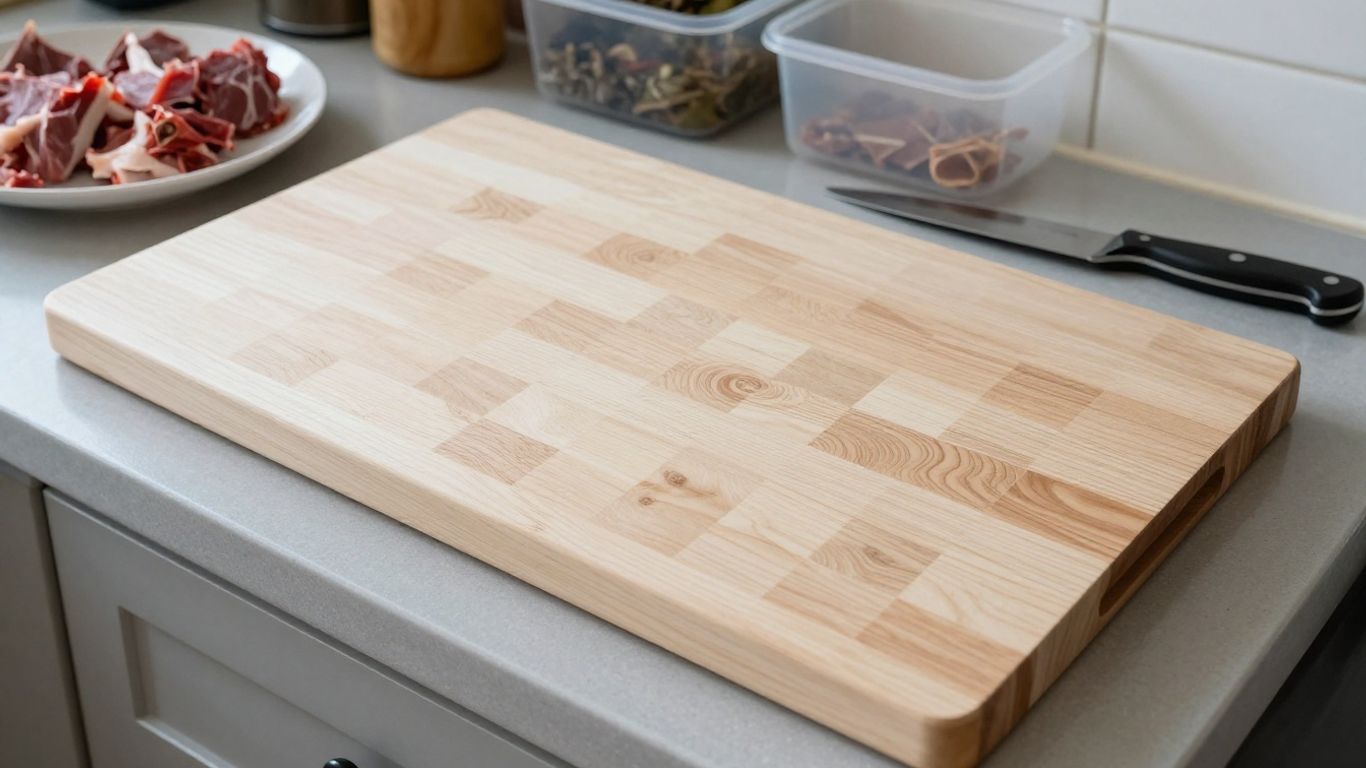
The short answer
For a cutting board for processing venison and wild game, prioritize a stable, roomy surface that is easy to wash and keep separate from other food prep. The best fit depends on your cuts, work area, storage, and willingness to maintain the material.
- Choose a board large enough to hold the cut while leaving space for knife work.
- Compare wood and food-grade plastic by stability, cleanup, and care needs.
- A juice groove can catch some liquid, but it does not replace a separate tray or careful handling.
- Keep raw game, clean tools, and ready-to-eat food apart throughout processing.
- Wash promptly, sanitize as appropriate for the material, and inspect the board before storing it.
What does a game-processing board need to handle?
A game-processing board needs to stay put while you trim, give you room to work, and clean up without fuss. Venison work can move from large quarters to small, precise cuts, so a board that suits only one step may slow you down. Think about the amount of meat you process and where each stage will happen.
Breaking down quarters and trimming cuts
A board for trimming steaks is not automatically large enough for a quarter or a long backstrap. For larger cuts, you need space to turn the meat without pushing it toward the counter’s edge, plus a clear area for your knife hand. A separate table or food-safe work surface may be more practical for the heaviest breakdown work than trying to make a kitchen board do everything.
Managing blood, fat, and connective tissue
Blood, fat, and tissue can make a work surface slippery and messy. A board should have enough area to contain the cut, while a rim or groove can help catch some runoff. Still, a groove has limited capacity, so keep a tray nearby and empty it before liquid reaches the work surface.
Protecting knives during repeated cuts
A board that is excessively hard or slick can make repeated knife work less comfortable. Wood and suitable food-grade plastic are common options; the right choice comes down to the feel you prefer and how you plan to clean it. For a closer look at the trade-offs, see this guide to raw-meat maple board selection.
Keeping raw meat separate from other foods
Treat the game-processing board as a raw-meat surface, not as a catch-all prep station. Wash your hands and tools after handling raw meat, and do not put cooked food or fresh produce on a surface that has not been cleaned and sanitized. A dedicated board can make that separation easier to maintain, especially during a busy processing session.
What size fits your processing setup?
Choose a board that fits both the meat you handle and the table where you’ll work. A very large board is useful only if you can lift, wash, dry, and store it safely. Working clearance matters as much as the board’s listed dimensions.
Leave room for the cut and your knife
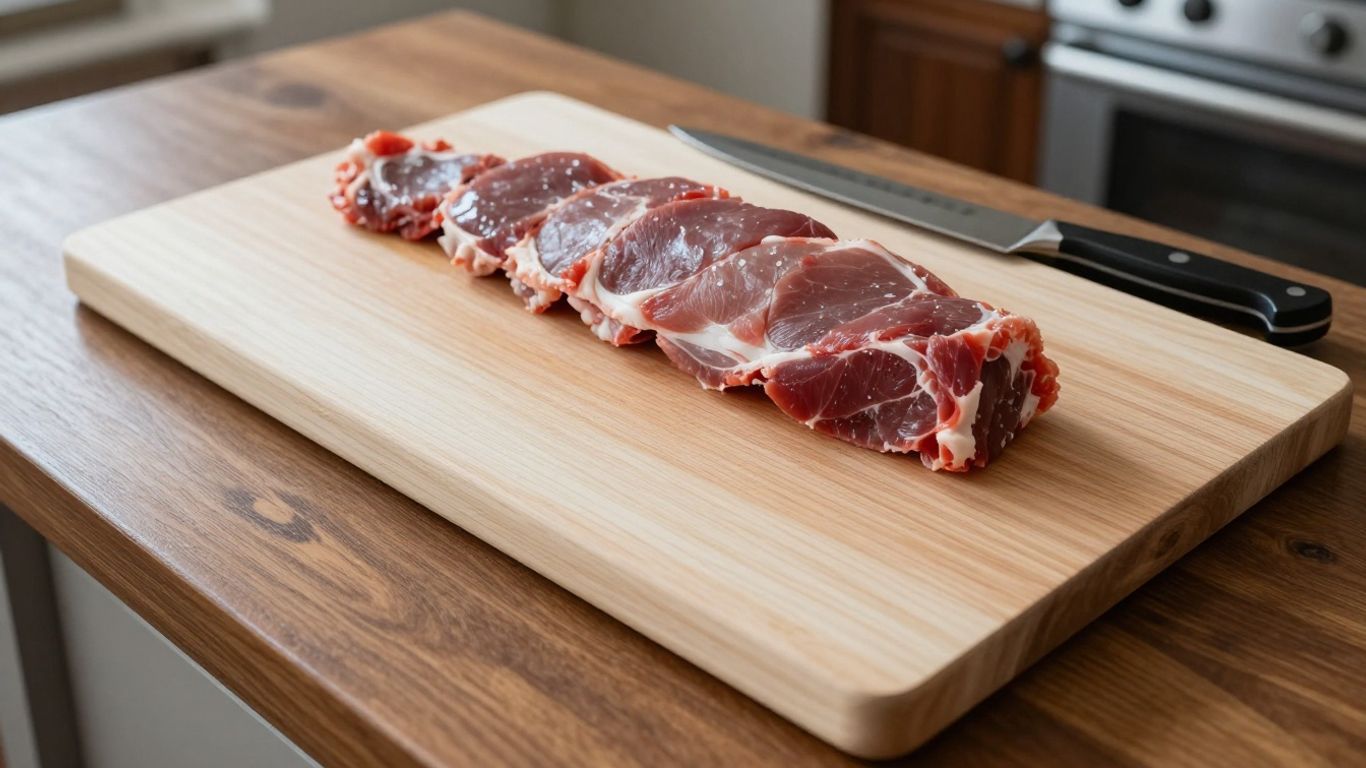
Measure the largest piece you expect to trim, then allow extra space for your knife and the hand guiding the meat. A board that is just as wide as a roast leaves little margin for turning it or collecting trimmings. If you process several cuts at once, plan for a nearby tray or clean container rather than piling pieces at the edge.
Match board dimensions to your table or counter
Check the usable work surface before choosing a board. Allow room around it for a knife, a container for scraps, and a stable place to set clean tools. One example of a medium-sized board is the Bevel & Bond End-Grain Maple Cutting Board, which measures 17 by 13 inches; that documented size may suit smaller kitchen tasks, but it is not a substitute for a large game-processing table.
Consider weight, storage, and cleanup
A heavier board may feel more planted during cutting, but it can be awkward to lift to a sink or store in a cabinet. The Bevel & Bond End-Grain Maple Cutting Board is about 10 pounds, a useful reminder to consider weight alongside dimensions when comparing boards. If you wash at a small sink, confirm that you can maneuver the board without bumping the faucet or surrounding dishes.
Use separate boards for large cuts and small tasks
A large board can make breaking down a cut less cramped, while a smaller one is easier to wash and bring out for trimming. You do not have to force every task onto one surface. A second board or a clean food-safe tray gives you a place to move finished cuts while you reset the main workspace.
How do board materials and construction compare?
For repeated home processing, pick a material you can keep clean and maintain consistently. Wood offers a firm, familiar surface; food-grade plastic is often convenient to transport and sanitize according to its care instructions. Neither material removes the need for safe handling and prompt cleanup.
Wood for a stable, knife-friendly work surface
A sound wooden board gives you a solid place to trim and portion meat, but wood needs hand washing and thorough drying. The Bevel & Bond End-Grain Maple Cutting Board is made from North American hard maple and has end-grain construction. For more detail on construction choices, this end-grain buying guide for maple boards explains what to consider, including size and stability.
Food-grade plastic for easy transport and sanitizing
Food-grade plastic can be a practical option if you want a board that travels easily to an outdoor prep area or can be sanitized according to the maker’s directions. Check the product’s care instructions rather than assuming all plastic boards tolerate the same cleaning method. Deep knife grooves and damage also deserve attention, since they can make a surface harder to clean thoroughly.
Edge grain and end grain for different processing needs
Edge-grain boards show long strips of wood across the work surface, while end-grain construction exposes the ends of wood fibers. These are construction differences, not guarantees about how a board will perform in every kitchen. The table below lays out practical considerations when the main job is meat processing.
| Construction | What you see | Practical consideration |
|---|---|---|
| Edge grain | Long, parallel strips | Compare thickness, size, and care needs for your workload. |
| End grain | Small blocks with end grain visible | Often substantial; check the weight and footprint before buying. |
| Food-grade plastic | A continuous manufactured surface | Review the maker’s cleaning instructions and inspect for deep cuts. |
Use those distinctions to narrow your options, then compare actual dimensions and instructions. Grain orientation alone does not tell you whether a board will fit your table or be easy to clean after a long session.
Materials and finishes to avoid
Skip surfaces that are not intended for food contact, including improvised materials with unknown coatings or adhesives. A finished board should be made with materials suitable for food preparation, and its maker should explain how to clean and care for it. Avoid finishes that are not identified as appropriate for contact with food.
Which features help without overcomplicating the board?
Useful features solve a real handling or cleanup problem; they do not replace good technique. For venison work, prioritize a steady base, an easy-to-clean surface, and enough room to contain the cut. Extra details are worth paying for only when they make your routine simpler.
Juice grooves and their limits with heavy meat work
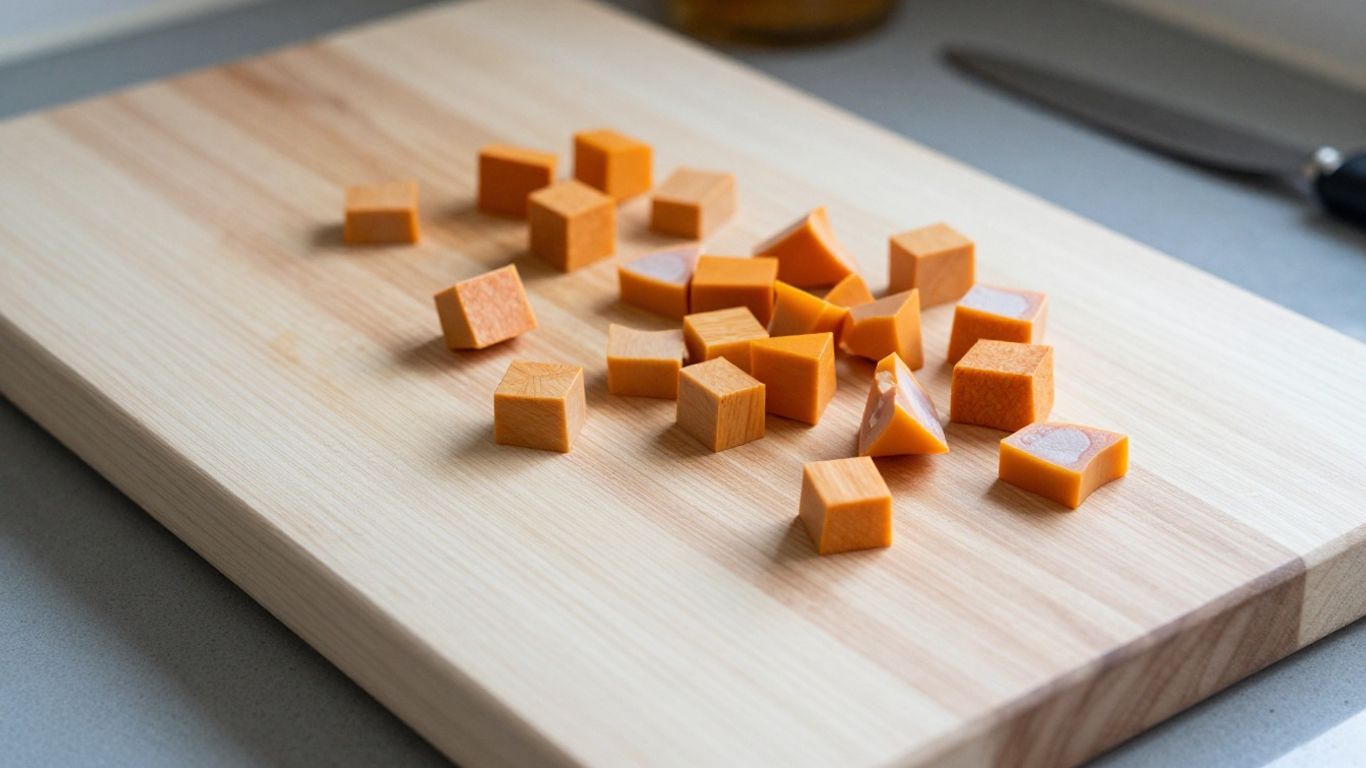
A juice groove can catch some liquid before it runs off the board, but it has a finite capacity and may need extra attention during cleanup. For a large, wet cut, use a tray or other food-safe container as well. The Bevel & Bond End-Grain Maple Cutting Board has a juice groove, a specific feature that can help manage runoff without making a board a catch basin for an entire processing session.
Handles and grips for moving a loaded board
A handle or grip can help you lift an empty board, but moving a board loaded with raw meat is a different matter. It is usually safer to transfer the meat separately and carry the board only after you have cleared it. If you are comparing grip options, consider whether the cutouts leave enough useful work surface and whether they are easy to wash.
Thickness and weight for stability
Thickness and weight can contribute to a planted feel on a work table, though a board still needs a stable, level base. A thick, heavy board can be inconvenient to move and clean, so weigh that trade-off against the steadiness you want. Check the board’s measurements and weight before buying rather than relying on appearance.
Smooth surfaces that are easy to inspect and clean
A clear, smooth work surface is easier to inspect after washing than one with damage or debris caught in hard-to-reach places. Keep the board clean between batches and look closely at grooves, corners, and feet if present. A feature is only useful if you can clean around it properly.
How do you set up a safe workflow from field to freezer?
A safe workflow depends on keeping meat cold, separating raw game from ready-to-eat food, and cleaning tools as you go. USDA food-safety guidance and your state or county extension office are sensible references for handling and storage questions; local rules can vary. Set out clean containers and tools before you begin, so you are not improvising with raw meat on the board.
Keep clean and used tools apart
Use one spot for clean knives and containers and another for used tools or scraps. That small bit of organization helps prevent a clean tool from picking up residue from a used surface. Before starting, gather the basic items you will need:
- A clean tray or container for trimmed meat.
- A separate container for scraps and waste.
- Clean knives and a designated place to set used tools.
- Soap, water, and the sanitizer appropriate for your work surface.
After each stage, move the meat into a clean container and clean any tools that need to return to the work area. Keeping the setup simple makes it easier to stay consistent when the processing takes longer than expected.
Control temperature and limit time at room temperature
Keep meat cold during processing and return portions to refrigeration or a cooler as soon as practical. Work in manageable batches instead of leaving all the meat out while you trim one piece at a time. Follow current USDA or local extension advice for safe temperatures and storage; do not rely on smell or appearance alone to judge whether meat has been kept safely.
Prevent cross-contamination between meat and other foods
Raw venison can contaminate hands, knives, counters, and nearby food if you move between tasks without washing. Keep raw game away from ready-to-eat foods, and clean and sanitize the board before it is used for anything else. For a fuller discussion of the separation question, see this article on using separate maple boards for raw meat.
Follow local guidance for handling wild game
Advice may differ according to the species, harvest conditions, and local public-health guidance. Check state or county extension resources for recommendations that apply where you hunt, and follow any applicable regulations. If you are setting up at home for the first time, a guide to wild-game processing tools can help you think through the work area and equipment beyond the board.
How do you clean, sanitize, and maintain the board?
Clean the board soon after processing, then sanitize it using directions that suit its material. Good care is not complicated, but it does require washing by hand when the board’s instructions call for it, drying completely, and checking for damage. The care routine for a wood board differs from the routine for plastic, so do not assume they are interchangeable.
Wash promptly after processing
Remove meat and scraps, then wash the board with warm water and dish soap as soon as the work is done. Clean both sides and pay attention to grooves or other features where residue can collect. Prompt washing keeps cleanup manageable and prevents the board from sitting with raw-meat residue on it.
Sanitize according to the board material
Follow the board maker’s directions for sanitizing, including the appropriate product and contact time. For wood, avoid soaking and do not put the board in a dishwasher; wash it by hand and use care guidance meant for that material. For more detail, see this guide to cleaning a cutting board.
Dry thoroughly before storing
After washing, dry the board and let it finish drying upright or in a position that allows air to circulate. Do not store a damp board flat in a closed cabinet. For wood, regular conditioning with food-grade mineral oil may be part of the care routine; follow the maker’s advice for timing and product choice.
Check for deep cuts, cracks, and warping
Inspect the surface before putting the board away. Deep cuts, cracks, or a board that no longer sits flat can make cleaning and stable work more difficult. When damage is hard to clean or the board is no longer steady, replace it rather than asking it to serve as a raw-meat surface.
Choosing a cutting board for processing venison and wild game
The right game-processing board is the one that fits your cuts and work area, stays manageable during cleanup, and suits a routine you can follow every time. Give size, stability, separation, and material-specific care more weight than decorative features, and keep the meat cold from the first trim through freezer storage.
Best for
- Edge-grain wood: cooks who want a wood board and will compare thickness, size, and care needs against their workload.
- End-grain wood: setups with room for a substantial board; check the weight and footprint first.
- Food-grade plastic: processors who will follow the maker's cleaning instructions and check for deep cuts.
- A juice groove: catching some liquid, alongside a separate tray and careful handling.
Frequently Asked Questions
What size cutting board is best for processing venison?
Choose a board that holds your typical cut with room for the knife and your working hand. For quarters or large sections, you may need a larger food-safe table or surface rather than a standard kitchen board.
Is wood or plastic better for processing wild game?
Either can work if it is intended for food preparation and cleaned according to its care instructions. Wood needs careful hand washing and drying; plastic care depends on the product’s directions and its condition.
Do I need a juice groove for processing venison?
No. A groove can catch some runoff, but it has limited capacity and does not replace a tray or regular cleanup.
Should I use a separate board for raw game?
A dedicated board can make it easier to keep raw meat separate from ready-to-eat food. Whatever setup you use, wash and sanitize the surface before changing tasks.
Can I put a wooden game-processing board in the dishwasher?
No. Hand wash a wooden board with warm water and mild soap, and dry it thoroughly. Follow its maker’s care instructions.
How should I keep venison safe while processing?
Keep the meat cold, work in manageable batches, and return portions to refrigeration or a cooler promptly. Consult current USDA and local extension guidance for safe temperatures and storage practices.
When should I replace a cutting board?
Consider replacing it if deep cuts, cracks, or warping prevent thorough cleaning or make the board unstable. Inspect it regularly, especially after heavy processing work.
What should you do next?
- Measure your work area and think about the cuts you usually process.
- Choose wood or food-grade plastic based on stability, cleanup, and care needs.
- Keep raw game, clean tools, and ready-to-eat food apart throughout processing.
- Keep the meat cold from the first trim through freezer storage.
- Wash promptly, sanitize as appropriate for the material, and inspect the board before storing it. For more meat prep, see how to trim a pork loin and cutting boards for an outdoor kitchen.
SEE AN EXAMPLE